
Home »
Our Fleet
Specialised trucks and versatile trailers built to handle demanding freight requirements with confidence.
Call: (02) 9756 5667
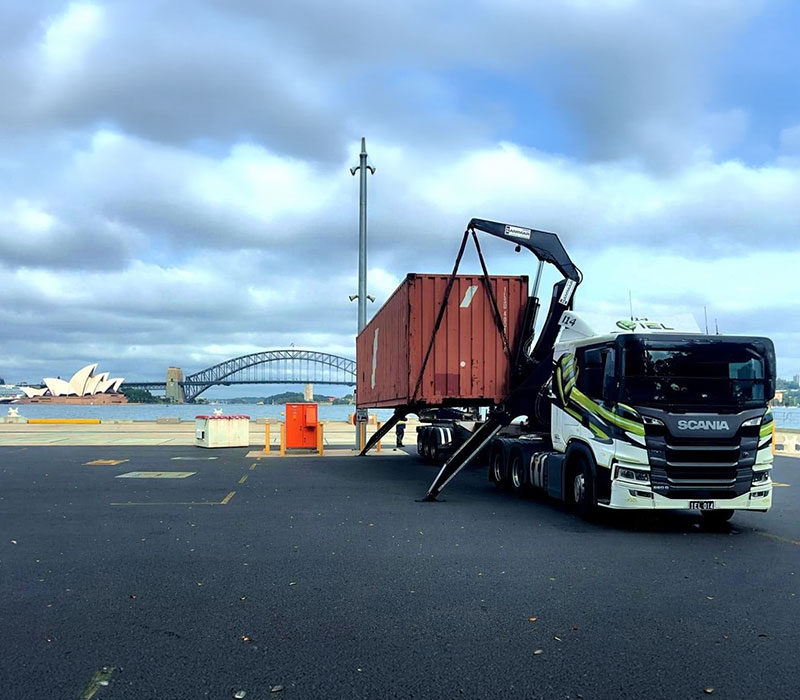
A Fleet Built to Keep Freight Moving
IE Logistics operates a specialised fleet designed around the real requirements of freight brokers, freight forwarders and logistics professionals.
Our trucks, sideloaders and trailer configurations give our team the flexibility to match equipment to the load, route, access conditions and delivery requirements of each job.
Supported by experienced operators and more than 15 years in transport and logistics, our fleet helps keep freight moving safely, efficiently and with fewer unnecessary complications.
Trucks Built for Different Freight Requirements
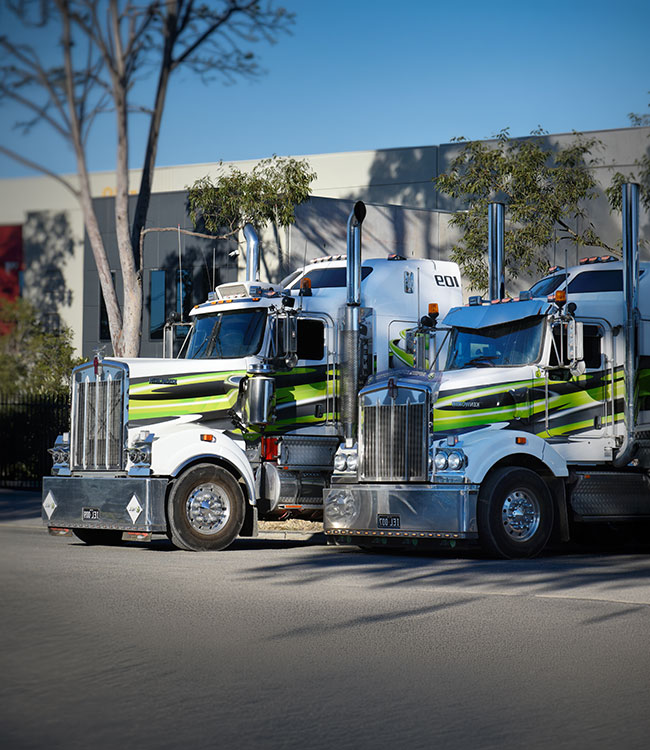
Our truck fleet includes Kenworth, Scania and Volvo vehicles, supported by specialised rigid equipment for container, freight and delivery work.
Specialised Rigid Truck
A practical option for freight requiring greater manoeuvrability, flexible access and a truck configuration suited to more specialised delivery requirements.
Indicative payload: approximately 8–12 tonnes.
Rigid Sideloader
Specialised sideloader capability for suitable container movements where direct ground placement and greater delivery flexibility are required.
Indicative payload: approximately 8–12 tonnes.
Rigid Delivery Truck
A versatile rigid truck option for suitable local freight, commercial deliveries and movements where a larger articulated combination is not required.
Indicative payload: approximately 6–10 tonnes.
Trailer Options for Greater Flexibility
Different freight calls for different equipment. IEL operates multiple trailer configurations to support containerised freight, general freight and specialised transport requirements.
Standard Skeletal Trailer
Designed for shipping container transport and regular container movements between terminals, warehouses and delivery locations.
Indicative payload: 26–29 tonnes.
Lightweight Skeletal Trailer
A lower-tare trailer option designed to maximise available payload for suitable container movements.
Indicative payload: 28–30 tonnes.
Retractable Skeletal Trailer
Provides additional flexibility across different container configurations and freight requirements.
Indicative payload: 25–28 tonnes.
Flat Top Trailer
An open and versatile platform suited to general freight, machinery and other loads requiring straightforward loading access.
Indicative payload: 24–27 tonnes.
Tautliner Trailer
Provides protected transport with practical side access for suitable palletised and commercial freight.
Indicative payload: 22–25 tonnes.
Sidelifter / Sideloader Trailer
Specialised container handling equipment that allows suitable containers to be lifted and placed directly at the delivery location.
Indicative on-road payload: 20–24 tonnes.
Equipment Matched to the Job
Selecting the right truck and trailer is about more than payload alone.
Before allocating equipment, IEL can consider:
- Freight type and dimensions to determine the appropriate vehicle and trailer.
- Approximate loaded weight and applicable mass limits.
- Pickup and delivery access including gates, turning areas and site restrictions.
- Loading and unloading requirements including whether specialised equipment is required.
- Route conditions and any access restrictions applying to the movement.
- Delivery timing and operational requirements around the wider freight booking.
This allows freight brokers and freight forwarders to access equipment matched more closely to the movement rather than relying on a one-size-fits-all transport setup.
Fleet FAQs
Common questions about IEL’s trucks, trailers, payloads and transport capability.
What truck brands does IEL operate?
IEL operates trucks from established heavy vehicle manufacturers including Kenworth, Scania and Volvo.
The fleet includes prime movers and specialised rigid vehicles selected to support container transport, freight transport and more specialised delivery requirements.
What types of trailers does IEL operate?
IEL operates a versatile range of trailer configurations including:
- Standard skeletal trailers
- Lightweight skeletal trailers
- Retractable skeletal trailers
- Flat top trailers
- Tautliner trailers
- Sidelifter and sideloader equipment
The appropriate trailer depends on the type of freight, dimensions, weight, access conditions and loading requirements.
What is the maximum payload IEL can transport?
Maximum payload depends on the specific vehicle and trailer configuration, freight, axle loading, manufacturer ratings, route access and applicable legal mass limits.
As an indicative guide:
- Standard Skeletal Trailer: 26–29 tonnes
- Lightweight Skeletal Trailer: 28–30 tonnes
- Retractable Skeletal Trailer: 25–28 tonnes
- Flat Top Trailer: 24–27 tonnes
- Tautliner Trailer: 22–25 tonnes
- Sidelifter / Sideloader Trailer: 20–24 tonnes on-road payload
- Rigid Sideloader: approximately 8–12 tonnes
- Specialised Rigid Truck: approximately 8–12 tonnes
- Rigid Delivery Truck: approximately 6–10 tonnes
These figures are indicative only. IEL can assess the freight, vehicle combination and route requirements before confirming suitable equipment for a job.
Does IEL operate sideloaders?
Yes. IEL operates specialised sideloader equipment for suitable container transport requirements.
Sideloaders can be used where a container needs to be lifted and placed directly onto suitable ground at the delivery location, subject to site access, clearance, ground conditions and container weight.
Does IEL have equipment for container transport?
Yes. IEL operates multiple container transport configurations including skeletal, retractable and lightweight trailers, along with sideloader equipment.
This gives freight brokers and freight forwarders greater flexibility across different container sizes, weights and delivery environments.
Does IEL have access to rail terminals?
Yes. IEL has access to rail terminals and can support suitable container movements between rail facilities, warehouses and delivery locations.
This capability helps freight professionals coordinate transport across different stages of the wider freight network.
Is IEL NHVR accredited?
Yes. IEL is NHVR accredited and maintains a strong focus on safe and compliant heavy vehicle operations.
Vehicle selection, loading, mass, restraint and route requirements are considered as part of planning suitable freight movements.
How does IEL determine which truck or trailer to use?
The appropriate equipment depends on the freight and delivery requirements.
IEL may consider:
- Freight type
- Dimensions and weight
- Container size where applicable
- Pickup and delivery access
- Loading and unloading method
- Route requirements
- Site conditions
Providing accurate freight details allows our team to recommend the most suitable transport configuration.
How do I request the right vehicle for my freight?
Send IEL the freight description, approximate weight, dimensions, collection and delivery locations, timing and any loading or access requirements.
Our team can assess the movement and recommend an appropriate truck and trailer combination.
Send us a message
Fill in the details below and we will get back to you shortly.
Need a Transport Partner You Can Rely On?
From specialised transport to ongoing logistics support, IEL delivers dependable solutions built around your freight requirements. With the right equipment, experienced operators and a responsive team behind every movement, we make it easier to coordinate transport with confidence from pickup through to delivery.